

Pet Surgery
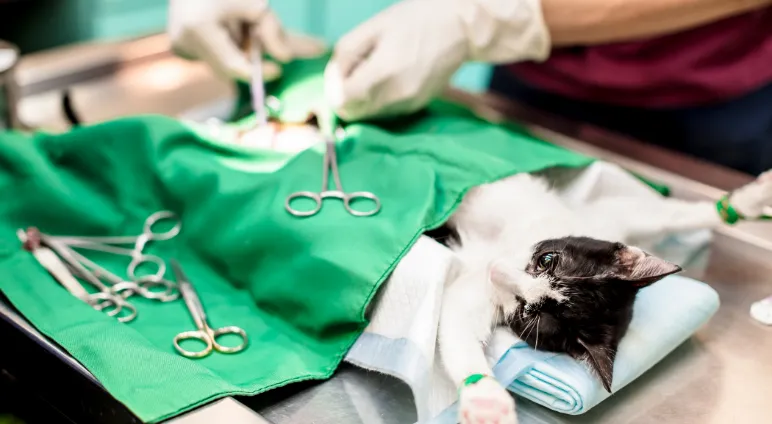
Pet Surgery
Types of Surgical Services We Provide
What to Expect Before Surgery
How We Manage Pain and Anesthesia
The Recovery Process at Home
When Surgery Becomes Urgent
Finding a Veterinarian Near You
Observing Behavioral Changes
Changes in behavior are often the first indicators of pain in pets. Signs such as restlessness, whining, decreased appetite, or reluctance to move may signal discomfort. Our veterinarian encourages pet owners to watch for these subtle shifts and maintain detailed notes on eating, sleeping, and activity levels to track recovery progress effectively.
Monitoring Physical Symptoms
Physical symptoms can also reveal pain or complications after surgery. Swelling, redness, bleeding, or unusual discharge around the surgical site should be addressed promptly. At Dry Creek Veterinary Center, we emphasize careful daily inspections of incisions and other affected areas to ensure any issues are detected and treated early.
Using Pain Management Strategies
Following prescribed pain management plans is critical for post-surgical recovery. Administering medications exactly as directed and keeping a schedule for doses helps reduce discomfort and promotes healing. Our veterinarian provides specific instructions tailored to your pet’s needs, ensuring that medications are safe, effective, and administered consistently.
Encouraging Gentle Activity
While rest is important, gentle activity can help maintain circulation and prevent stiffness. Short, controlled walks or light movement, as recommended by our veterinarian, allow pets to regain mobility without putting stress on the surgical site. Observing your pet’s tolerance and adjusting activity levels accordingly supports a balanced recovery.
Knowing When to Seek Help
Even with careful home monitoring, complications can arise. Persistent pain, swelling, lethargy, vomiting, or sudden behavioral changes indicate the need to contact a veterinarian near you immediately. Prompt evaluation ensures timely interventions and helps prevent serious post-surgical complications from developing.
Supporting a Smooth Recovery
Dry Creek Veterinary Center in Roseville, CA, is dedicated to helping pet owners monitor and support their pets after surgery. Our veterinarian provides clear instructions, guidance on pain management, and recommendations for safe activity to ensure optimal healing. If your pet is recovering from surgery, call Dry Creek Veterinary Center today to schedule a follow-up or discuss any concerns. Careful observation and timely communication help pets recover comfortably and safely while giving owners peace of mind.
Frequently Ask Questions
Pet surgery can raise many questions for pet owners. At Dry Creek Veterinary Center in Roseville, CA, we understand that facing surgery for your pet may feel overwhelming. Our veterinarian is here to provide clear answers and guide you through the process. This article covers some of the most frequently asked questions about pet surgery to help you feel more informed and confident in caring for your companion.
What Types of Pet Surgery Are Offered?
Our clinic provides a range of surgical services to address various health needs. Common procedures include spaying and neutering, tumor removal, wound repair, and certain orthopedic surgeries. We focus on treatments that improve your pet’s quality of life and overall well-being. Each surgery is customized based on your pet’s specific condition and needs.
How Should I Prepare My Pet for Surgery?
Before surgery, our veterinarian performs a thorough examination to ensure your pet is healthy enough for anesthesia. Blood tests may be recommended to check organ function and detect any underlying issues. You will receive specific instructions regarding fasting and medication adjustments before the procedure. Following these guidelines helps reduce the risk of complications during surgery.
What Happens During Surgery?
During pet surgery, your pet is closely monitored by our veterinarian to ensure safety at every stage. We use modern anesthesia protocols tailored to your pet’s size, age, and health status. Our veterinarian maintains continuous observation of vital signs to provide immediate intervention if needed. This careful approach helps ensure a smooth and safe surgical experience.
How Is Pain Managed After Surgery?
Managing pain after pet surgery is a top priority at Dry Creek Veterinary Center. Our veterinarian will prescribe pain relief tailored to your pet’s specific surgery and condition. We also provide detailed care instructions for home recovery, including how to monitor your pet and when to administer medications. Effective pain management supports faster healing and greater comfort.
What Should I Expect During Recovery?
Post-surgery, your pet will require rest and limited physical activity. Our veterinarian will give you clear guidelines for wound care and signs to watch for during recovery. Follow-up appointments are scheduled to assess healing progress and address any concerns. Providing a calm environment and attentive care is essential for a successful recovery.
When Should I Contact the Veterinarian?
If your pet shows signs of excessive swelling, discharge, difficulty breathing, or unusual behavior after surgery, contact our clinic immediately. Prompt communication can prevent complications and ensure timely treatment. Knowing when to seek help is an important part of post-operative care.